
Stories shape how we understand the world long before we realize we’re learning from them. We tell them, listen to them, and remember them with very little effort. That’s true in daily life, and it turns out this also translates into online learning and training.
A topic that feels dull or abstract can become engaging when wrapped in a story that sparks curiosity. I think we all experienced this growing up: meeting a teacher who used stories to make classes more interesting, while others stuck strictly to the program and failed to keep retention high.
I remember being in high school and feeling bored during physics class, yet I could watch YouTube videos explaining the same concepts for hours simply because they relied more on storytelling.

That same dynamic plays out every day in online courses.
Two versions of the same training
This topic reminds me of something that happened to someone we’ll call Sam, a customer success representative who needed to complete a short online training on handling difficult clients. There was nothing unusual about this, except that Sam had access to two versions of the same course.
A familiar (yet boring) format
The first course followed a familiar yet boring structure: muted colors, long paragraphs, and a steady stream of bullet points explaining best practices around communication, empathy, and de-escalation. Sam could tell the course was clear and well-intentioned, but it felt like reading presentation slides without anyone explaining them.
Sam clicked through it, took a few notes, and decided to look at the second version.

Learning through a story
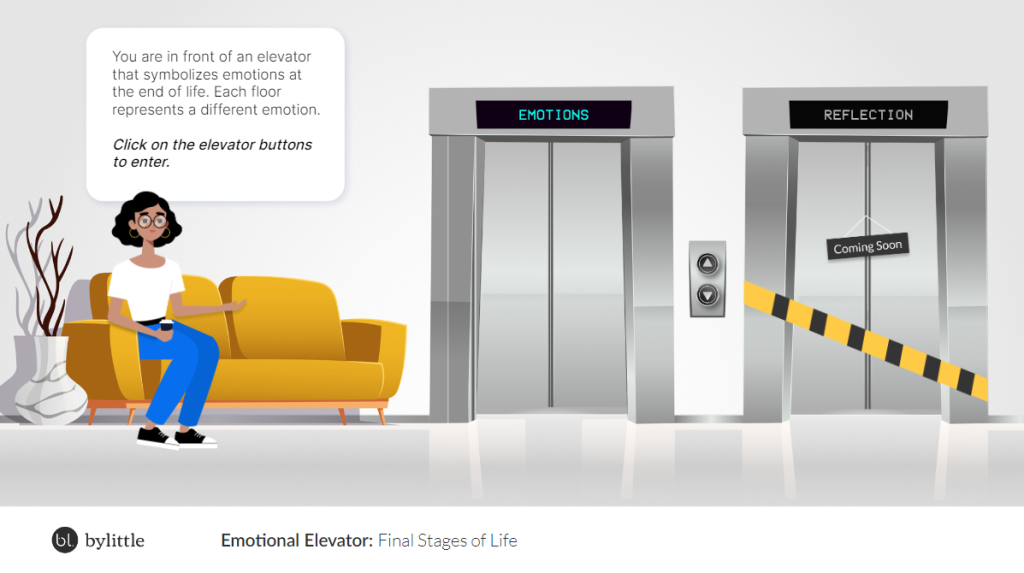
The second course covered the same material, but approached it differently. Instead of opening with definitions, it introduced Jordan, another support rep, midway through a tense customer call.
The situation was messy, uncomfortable, and very recognizable. It reminded Sam of an argument he had a couple of weeks earlier. Although it wasn’t a pleasant memory, it sparked his curiosity to see how Jordan would handle the situation.
As the course progressed, Sam watched Jordan make mistakes. The conversation escalated, and at one point, the module paused and asked: “What should Jordan do next?”

This didn’t feel like a normal completion quiz. It felt more like an opportunity to help Jordan, and even play a bit.
When storytelling improves learning retention
Looking back, Sam had technically learned the same principles in both versions of the course. But one of them felt learned, while the other simply felt completed.
The real impact came a week later.
Sam found himself on a call with a frustrated customer. Under pressure, the polished bullet points from the first course didn’t come to mind. Instead, Sam remembered the quiz from the second course, including a clearly wrong option (“continue arguing and take things personally”) that had made him laugh at the time.
Sam also remembered the correct response: acknowledging the customer’s frustration. He changed the tone of the conversation, and it worked.
Why storytelling works in online training
Sam’s experience doesn’t mean every course needs a complex narrative or a whole cast of characters. Storytelling in online training can be simple: a relatable protagonist, a real challenge, a tough decision to make, and a consequence that shows why the skill matters.
It’s easier to remember moments than slides. And when training creates memorable moments, learning retention tends to follow.
If you think back to the last course you completed, what do you remember? Chances are, it’s not the slides or the definitions. Maybe you remember a situation, a decision, or a moment that made you stop and think. Experiences are what stay with us when we need them most.

Creating meaningful stories, designing training, and building interactive learning experiences takes time and focus. And that’s often where teams start to feel the friction.
You don’t have to do everything on your own. Having the right partner can make the difference between shipping content and creating learning experiences that learners remember.